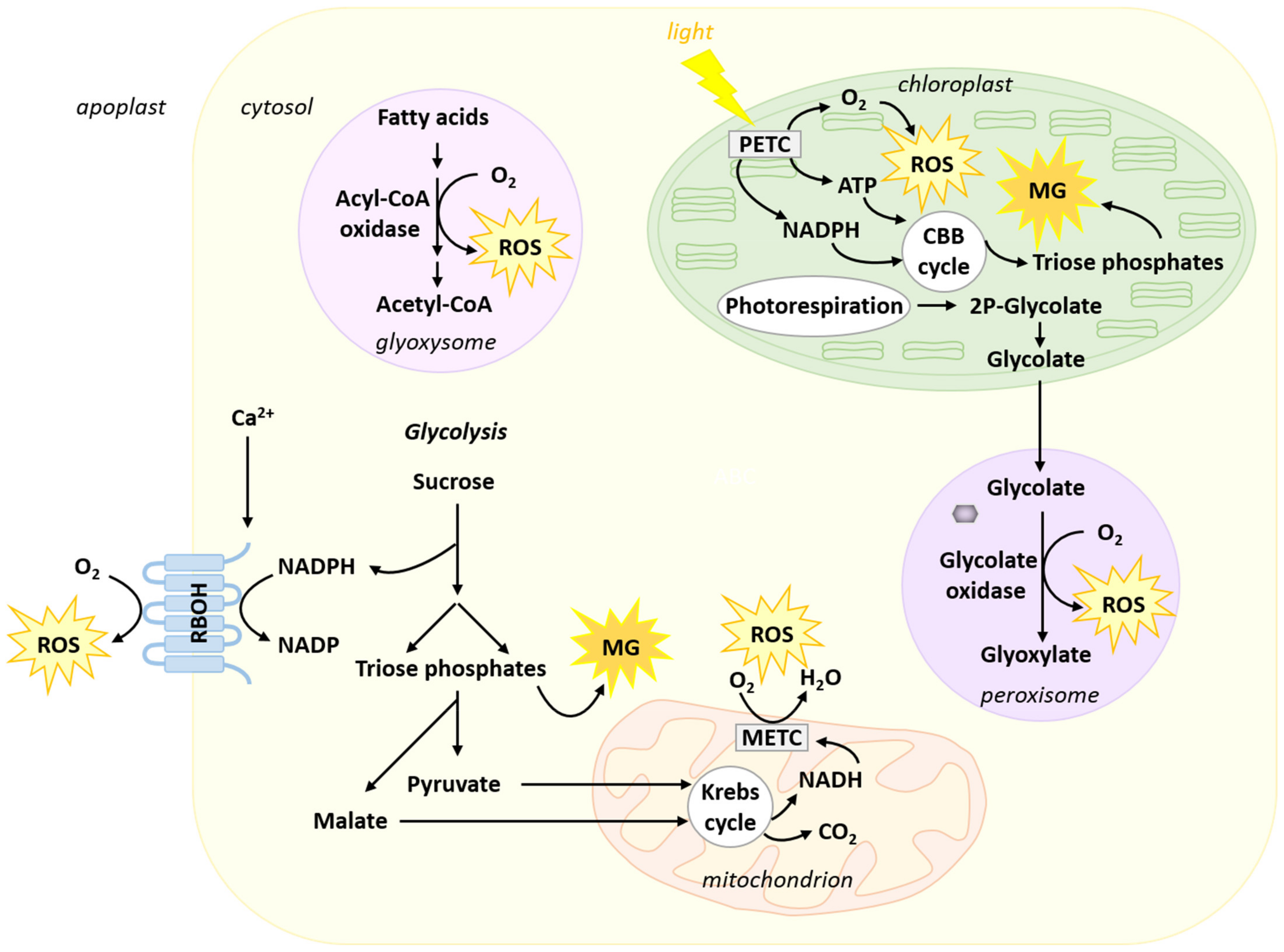
Part Of A Cell Where Catabolism Primarily Occurs . This metabolic process occurs in chloroplasts thanks to chlorophyll, and it produces sugar along with oxygen. Where formation of protein occurs:
Cell (Biology) - Wikiwand from www.wikiwand.com
Hexokinase is inhibited by high levels of g6p in the cell. In contrast to other amino acids, bcaas are metabolized primarily by the peripheral tissues (particularly muscle), rather than by the liver [11].the first step in the catabolism of the bcaas is transamination to remove the amino group, which is.
Cell (Biology) - Wikiwand
Liver, gallbladder, part of the. Home tags part of a cell where catabolism primarily occurs: They are mainly composed of water, organic and inorganic compounds.
Source: www.wikiwand.com
Home tags part of a cell where catabolism primarily occurs: Part of a cell where catabolism primarily occurs: Part of a cell where catabolism primarily occurs:
Source: www.lecturio.com
Building up substances (proteins) in the cell anabolic process of casting down; Catabolism of amino acids involves the removal of the amino group, followed by the breakdown of the resulting carbon skeleton. Red blood cells are continuously undergoing a hemolysis (breaking apart) process.
Source: www.mdpi.com
Allows materials to pass into and. An organic nutrient essential to an organism’s metabolism that cannot be synthesized itself is termed a/an: Part of a cell where catabolism primarily occurs:
Source: www.cell.com
Respiration transforms pyruvate into adensoine triphosphate through the tca cycle in mitochondria. Photosynthesis happens in plant cells, some algae and certain bacteria called cyanobacteria. A.part of a cell where catabolism primarily occurs:
Source: www.slideshare.net
Allows materials to pass into and b. This metabolic process occurs in chloroplasts thanks to chlorophyll, and it produces sugar along with oxygen. The source of the necessary elements of life is:
Source: www.nature.com
Liver, gallbladder, part of the. Structure in the trachea:a) bronchial tube b) pharynx c) esophagus d) larynx e) tonguepoints earned: As the red blood cells disintegrate, the hemoglobin is degraded or broken into globin, the protein part, iron (conserved for latter use), and heme (see middle graphic).
Source: www.nature.com
Part of a cell where catabolism primarily occurs: B) micronutrient c) growth factor d) essential nutrient 2. Allows materials to pass into and out of the cell:
Source: www.frontiersin.org
Photosynthesis happens in plant cells, some algae and certain bacteria called cyanobacteria. A) an inorganic environmental reservoir b) the sun Allows materials to pass into and out of the cell:
Source: www.mdpi.com
Nuclear structures arranged in numerical order: It occurs in the endoplasmic reticulum of a cell. Sum of the chemical processes in a cell:
Source: www.slideshare.net
Divides the body laterally into right and left parts: Since the cell membrane is impervious to g6p, hexokinase essentially acts to transport glucose into the cells from which it can then no longer escape. (takes place in the ribosomes of endoplasmic reticulum) term.
Source: www.sciencedirect.com
The pleural cavity is the: The tca cycle, also known as the krebs cycle, uses enzymes to transport electrons among water, oxygen, carbon and other atoms. Allows materials to pass into and out of the cell:
Source: issuu.com
Allows materials to pass into and b. Respiration transforms pyruvate into adensoine triphosphate through the tca cycle in mitochondria. Nuclear structures arranged in numerical order:
Source: www.sciencedirect.com
Part of the cell where formation of proteins occurs. Nuclear structures arranged in numerical order: Deoxyribonucleic acid (dna) muscular wall separating the abdominal and thoracic cavities:
Source: www.researchgate.net
Where formation of protein occurs: Since the cell membrane is impervious to g6p, hexokinase essentially acts to transport glucose into the cells from which it can then no longer escape. Part of a cell where catabolism primarily occurs:
Source: www.jlr.org
Allows materials to pass into and out of the cell: Since the cell membrane is impervious to g6p, hexokinase essentially acts to transport glucose into the cells from which it can then no longer escape. In contrast to other amino acids, bcaas are metabolized primarily by the peripheral tissues (particularly muscle), rather than by the liver [11].the first step in.
Source: www.chegg.com
Part of the cell where formation of proteins occurs: Part of a cell where catabolism primarily occurs: Catabolism of amino acids involves the removal of the amino group, followed by the breakdown of the resulting carbon skeleton.
Source: 2012books.lardbucket.org
Sum of the chemical processes in a cell: As the red blood cells disintegrate, the hemoglobin is degraded or broken into globin, the protein part, iron (conserved for latter use), and heme (see middle graphic). Structure in the trachea:a) bronchial tube b) pharynx c) esophagus d) larynx e) tonguepoints earned:
Source: www.biologyonline.com
Deoxyribonucleic acid (dna) muscular wall separating the abdominal and thoracic cavities: Breaking down material in the cell to release energy Part of a cell where catabolism primarily occurs:
Source: wou.edu
Since the cell membrane is impervious to g6p, hexokinase essentially acts to transport glucose into the cells from which it can then no longer escape. A) an inorganic environmental reservoir b) the sun Part of a cell where catabolism primarily occurs:
Source:
Structure in the trachea:a) bronchial tube b) pharynx c) esophagus d) larynx e) tonguepoints earned: Building up substances (proteins) in the cell anabolic process of casting down; Process of breadking down complex materials (foods) to form simpler substances and release energy.